

Evidence-Aligned UK Resource

Practical guidance for better rest and everyday comfort after 40

Waking up at 3:00am, navigating repeated trips to the bathroom, or feeling unrefreshed despite seven hours in bed? You are far from alone. We provide calm, sensible guidance on sleep architecture, evening routines, and when to discuss symptoms with your NHS GP.

British man in his late 40s unwinding peacefully in a warm living room with a book
Restorative wind-down: Lowering ambient light and unplugging from digital screens remains one of the simplest, most effective evening interventions for men over 40.

Zero Gimmicks or "Miracle" Cures

We do not sell untested supplements or promise uninterrupted teenage sleep. We focus on physiology, bedroom ergonomics, and routine adjustments.

Grounded in UK Healthcare

All health content aligns with clinical insights from the NHS and NICE guidelines, empowering you to have focused conversations with your GP surgery.

Privacy-First Local Tools

Our interactive sleep diary and routine planner store data exclusively in your web browser. No accounts, tracking, or health databases.

Understanding The Biology

Why Men Over 40 Wake Up at Night

Waking once or twice isn't necessarily a medical crisis—it is often the natural interplay of changing sleep architecture, bladder tone, and modern work stress.

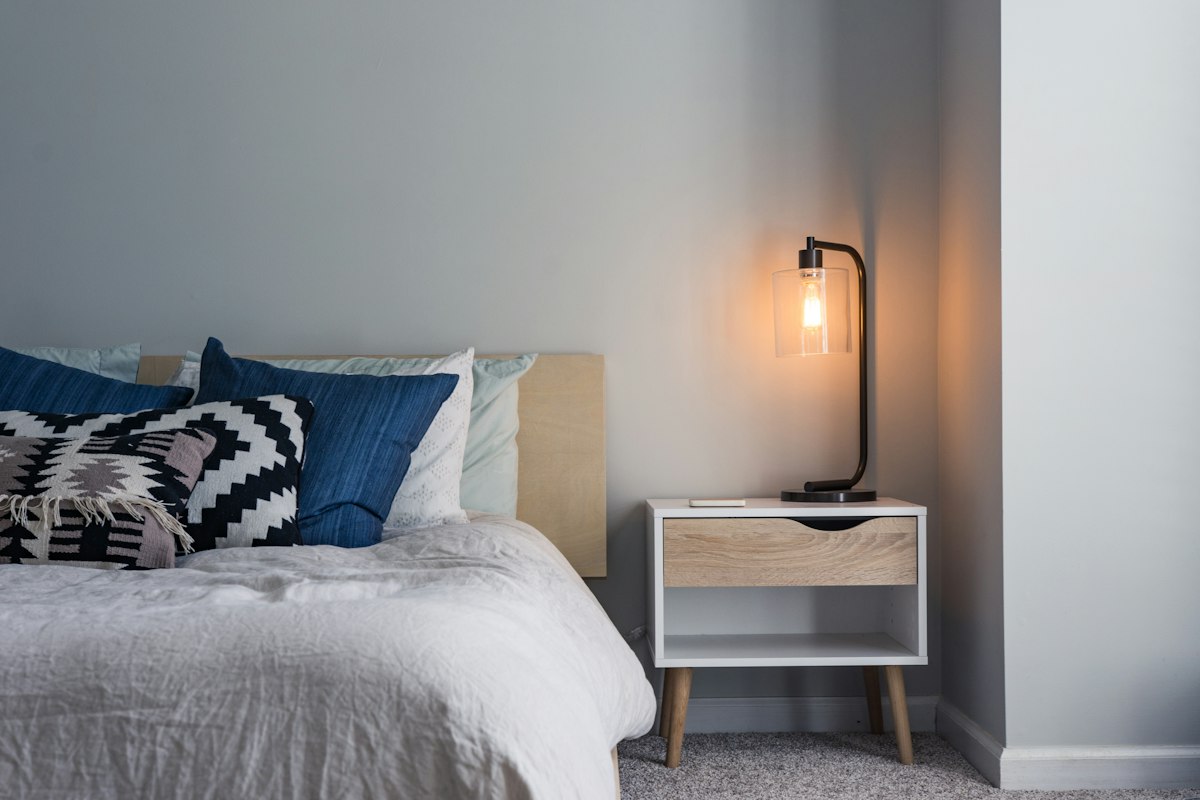
A peaceful, minimalist bedroom with comfortable linen bedding and soft morning light
Sleep Architecture

How Sleep Cycles Change With Age

From our early forties, deep slow-wave sleep naturally decreases by 2% to 3% each decade. Learn why this makes you more susceptible to slight nocturnal noises, temperature shifts, and brief conscious awakenings.

Read Guide →

Steaming mug of herbal chamomile tea on a wooden table beside a book
Nocturnal Urination

Managing Nocturia & Fluid Pacing

Waking to urinate involves far more than just your prostate. Discover how cardiovascular fluid redistribution, late-night tea, and evening meal timing dictate nocturnal urine production.

Read Guide →
Comfortable domestic British bedroom with radiator and tailored wool duvet
Domestic Environment

Bedroom Temperature & UK Heating

Why central heating set to 21°C is the enemy of unbroken sleep. We explore ideal thermal ranges (16–18°C), tog ratings for British seasons, and winter air dryness management.

Read Guide →
Practical Self-Assessment

Interactive Tools for Everyday Living

Clear, private, and easy to use. No sign-ups required.

Sleep & Pattern Tracker

Log bedtime, sleep latency, night-time bathroom visits, and morning energy levels. Automatically calculates your 7-day trends and formats an exportable summary for your GP.

Open Sleep Tracker →

Evening Routine Planner

Enter your target bedtime and primary rest challenge to generate an evidence-aligned wind-down schedule, including caffeine cutoffs, screen transitions, and hydration pacing.

Create Routine →

Awakening Guidance Tool

Answer 5 straightforward, non-diagnostic questions about your nocturnal awakenings to help organise your thoughts and identify sensible next steps or clinical red flags.

Check Observations →
Medical Perspective

Normal Ageing vs. Signs Warranting Medical Assessment

Understanding what is typical helps diminish nighttime panic, while knowing red flags ensures you seek timely clinical advice.

Aspect Typical Shift After 40 Warrants Medical Assessment
Night Awakenings Waking once or twice per night, rolling over or using the loo, and falling back asleep within 15–20 minutes. Waking frequently with gasping, chest discomfort, or lying awake for hours in acute distress every single night.
Night Urination Getting up once in the early hours after drinking a late cup of tea, with normal stream and no discomfort. Waking 3+ times every night, weak intermittent flow, straining, pain, or visible blood in urine (haematuria).
Morning Alertness Brief grogginess (sleep inertia) lasting 15–30 minutes, resolving after light movement and breakfast. Overwhelming daytime sleepiness, falling asleep while driving or in meetings, chronic brain fog.
Snoring Occasional soft snoring when sleeping on your back or after an evening social drink. Loud, irregular snoring with witnessed pauses in breathing, choking sounds, and waking with a dry mouth.

NHS Reference Standard

In the UK, NICE clinical knowledge summaries advise that any patient experiencing sudden changes in urinary habits, persistent daytime somnolence, or unexplained weight loss should be evaluated by a healthcare practitioner.

Read our in-depth article: Night-Time Urination: Common Causes and Next Steps.

Committed to Independent British Guidance

Men's Comfort Guide was founded to provide sensible, dignity-focused lifestyle resources for men navigating their 40s, 50s, 60s, and beyond. We do not promote fad diets, invasive sales funnels, or shame-based advertising. Better rest begins with understanding your body's natural rhythms.

Learn About Our Editorial Principles